The Virtual DOM was not invented by React, but React made it widely used and popular.
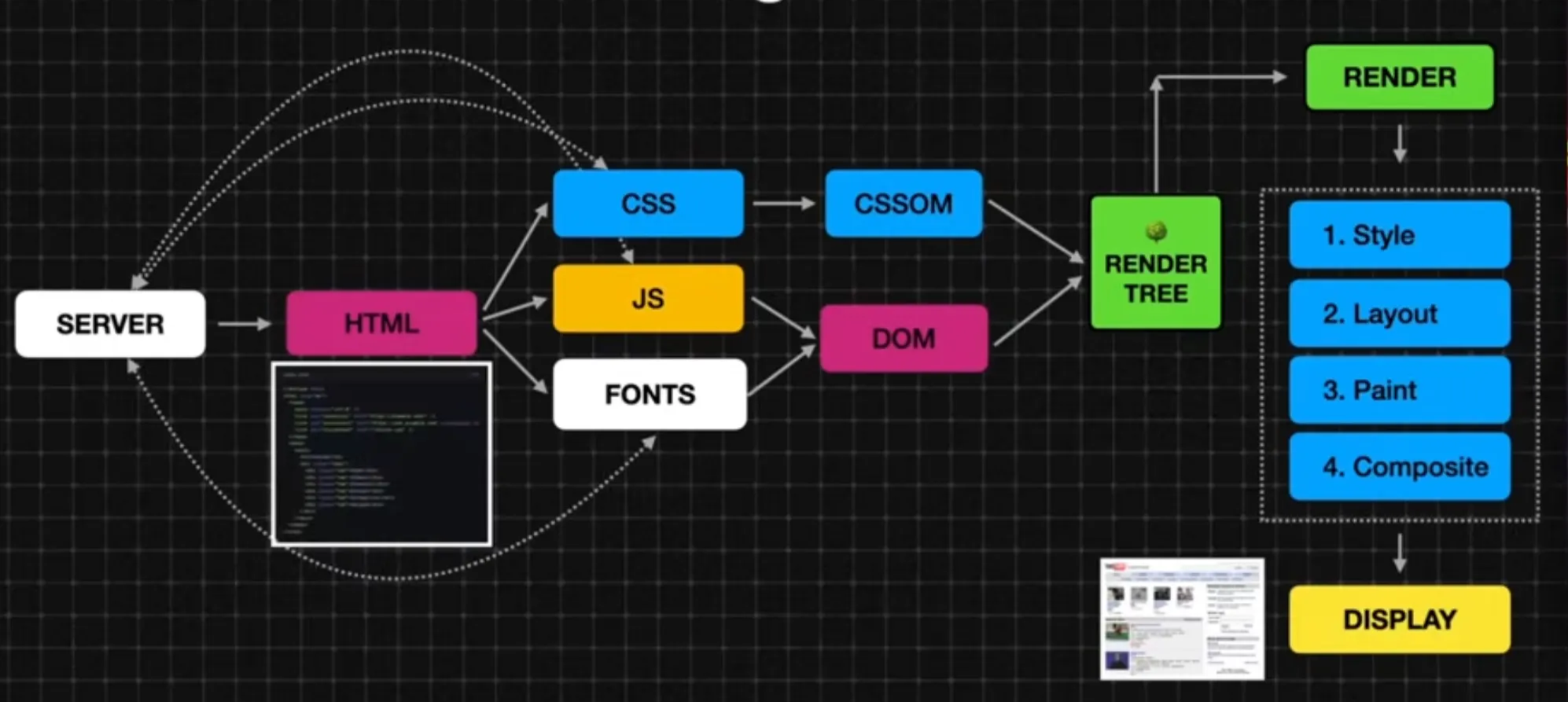
The real DOM is built as a tree structure.
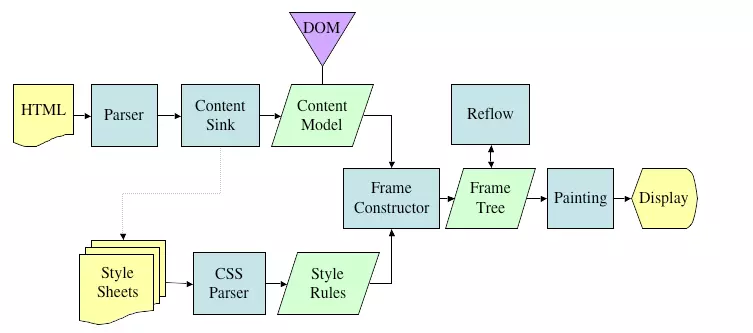
Any change to an element or its child elements triggers reflow (layout calculation).
After reflow, the browser must repaint the updated elements on the screen.
These processes are computationally expensive and time-consuming.
The more elements that require reflow and repaint, the slower the website’s performance and loading speed.
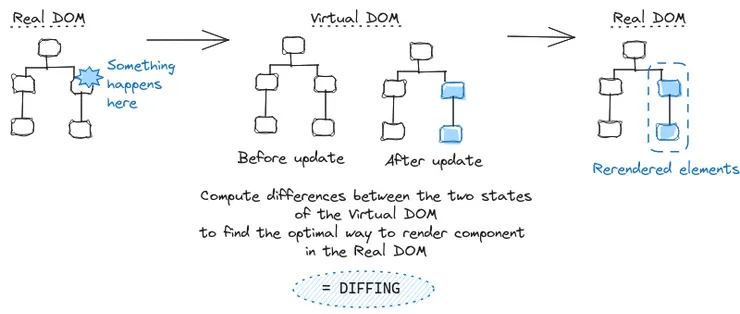
The Virtual DOM improves performance by updating a lightweight copy of the DOM first.
React then compares changes (diffing) and applies only the necessary updates to the real DOM, reducing reflow and repaint operations.



Leave a Reply